




CNN, MS NOW and Politico Sue Trump Administration Over White House Access Ban
By KASS MTV USA Newsroom | Washington, D.C.
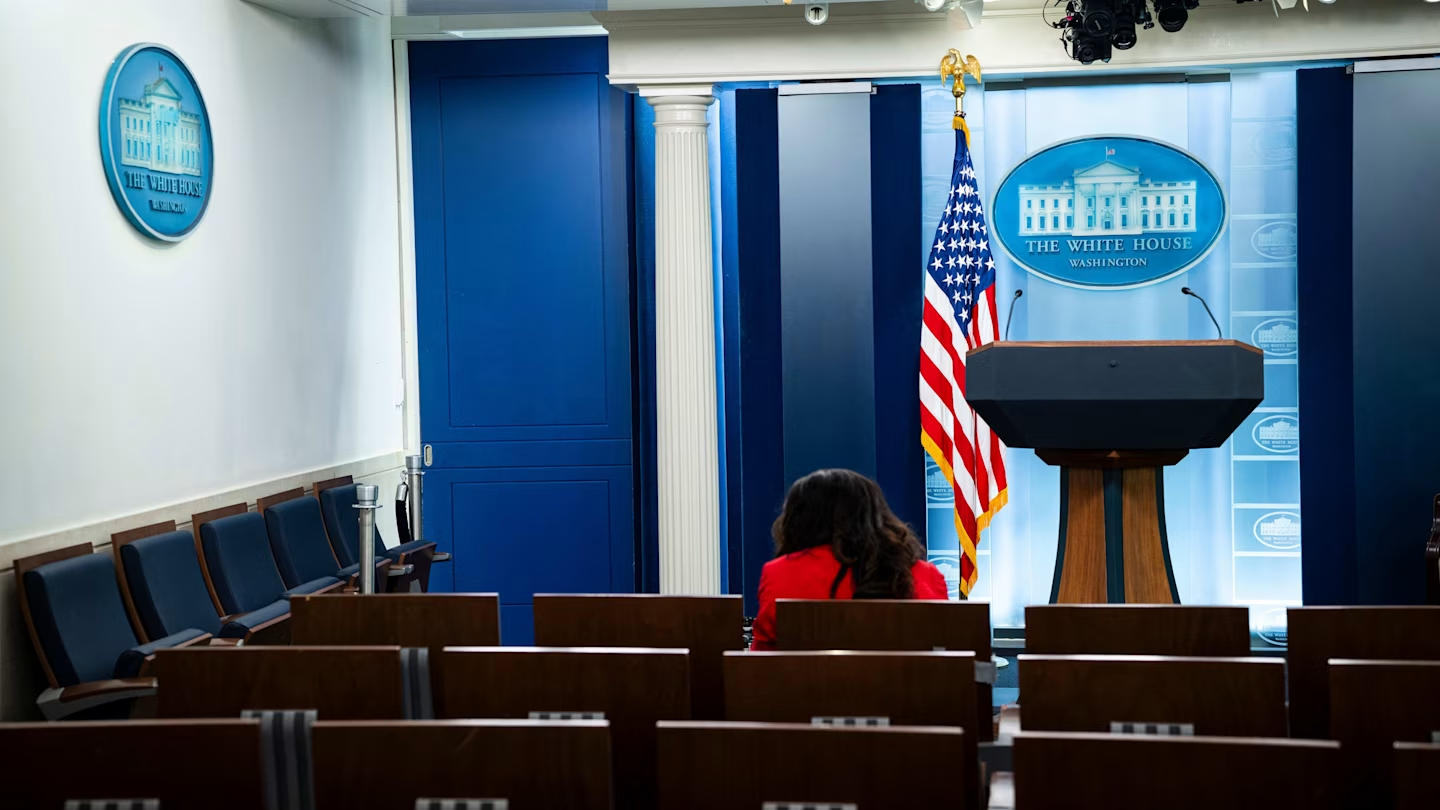
CNN, MS NOW and Politico have taken the Trump administration to federal court, challenging President Donald Trump’s decision to bar the three news organizations from accessing the White House.
The lawsuit, filed on Monday, September 21, seeks an immediate temporary restraining order that would restore the journalists’ White House credentials while the broader constitutional dispute is considered. A federal hearing is scheduled for Wednesday, September 23, before U.S. District Judge Timothy Kelly in Washington, D.C.
The three organizations argue that the administration violated their First Amendment rights and constitutional due-process protections by revoking their journalists’ credentials because of their reporting.
“This ban could not be a more direct assault on the First Amendment nor a more blatant violation of our most fundamental constitutional principles,” the outlets said in their legal filing.
Trump Says White House Access Is a Privilege
Trump announced the ban on September 18 through his social media platform, accusing CNN, MS NOW and Politico of publishing what he described as “fake news,” “fiction” and “lies.”
The president has also said he objected to what he considered negative coverage of his administration.
“If they want to write them, that’s fine. I don’t have to let them into the people’s house,” Trump said when discussing the restrictions.
The White House has maintained that access to the White House is a privilege rather than a constitutional right and has defended the president’s authority to determine which journalists receive access to restricted areas.
The administration has also invoked national security arguments in defending the restrictions.
In a court filing ahead of Wednesday’s hearing, the Justice Department argued that the president has broad authority over access to the White House and urged the judge not to immediately lift the ban.
News Organizations Say the Ban Punishes Their Reporting
CNN, MS NOW and Politico argue that the administration’s actions amount to unconstitutional retaliation because the president has openly expressed dissatisfaction with their coverage.
The lawsuit contends that the government cannot selectively exclude journalists from White House access because officials disagree with what those journalists report or publish.
The organizations are also challenging the decision-making process, saying their reporters’ credentials were revoked without adequate notice or an opportunity to contest the decision.
The three outlets said the dispute goes beyond their own organizations.
They argue that allowing a president to remove journalists because of unfavorable reporting could affect other news organizations that cover the government independently.
Reporters Blocked From White House Grounds
The restrictions became operational over the weekend.
Reporters from the three organizations attempting to enter the White House grounds were denied access, with their press credentials deactivated or collected by Secret Service personnel.
The affected reporters included CNN’s Betsy Klein, MS NOW’s Akayla Gardner and Politico’s Cheyenne Haslett.
CNN was also removed from its scheduled White House television pool assignment.
The television pool normally allows one network to provide video coverage that is shared with other broadcasters when space or logistical limitations prevent every organization from sending its own crew.
Following CNN’s removal, other major television networks declined to replace CNN for the assignment, creating a disruption in the traditional White House coverage system.
Dispute Reaches the United Nations
Despite being barred from the White House, the three organizations continued covering Trump during his visit to New York for the United Nations General Assembly using credentials issued by the United Nations.
CNN was unable to perform its scheduled White House television pool duties during Trump’s trip, however, because of the administration’s restrictions.
The confrontation was also visible during Trump’s appearance at the United Nations, where the president criticized CNN’s presence despite the network continuing to cover his activities.
A Constitutional Fight Over Press Access
At the center of the lawsuit is the First Amendment and the legal principle commonly referred to as viewpoint discrimination.
The news organizations argue that government officials cannot selectively restrict journalists because they dislike the journalists’ reporting or editorial viewpoint.
The case also draws attention to earlier legal battles over White House press credentials.
In 2018, CNN reporter Jim Acosta had his White House press credentials suspended during Trump’s first administration. A federal judge ordered the credential temporarily restored while the legal dispute continued.
The current lawsuit has been assigned to Judge Timothy Kelly, who handled the Acosta case and previously ordered the restoration of Acosta’s press access.
The Associated Press has also been involved in a separate legal dispute with the Trump administration over access to the White House and presidential travel. That case has produced competing rulings and remains part of the broader legal debate over government control of press access.
Trump Administration Defends the Decision
The administration has rejected the characterization of the ban as an attack on press freedom.
Trump has said the restrictions target what he considers inaccurate or unfair reporting rather than journalism generally.
The Justice Department’s latest court filing argues that White House access is not an unrestricted right and points to national security and presidential authority in defending the administration’s position.
Trump has also indicated that he may allow the organizations back into the White House if a court orders him to do so.
What Happens Next?
The immediate question before Judge Kelly is whether to grant the media organizations’ request for a temporary restraining order.
Such an order would address access while the larger constitutional lawsuit proceeds.
The Wednesday hearing is expected to focus on whether the administration can legally exclude the three organizations from White House grounds based on the circumstances surrounding the ban and whether the journalists were denied constitutionally required procedural protections.
The case could ultimately have implications beyond CNN, MS NOW and Politico because it raises broader questions about the relationship between presidential power, government transparency and independent media access.
For now, the three organizations say they will continue covering the Trump administration despite the restrictions.
CNN, MS NOW and Politico’s legal challenge therefore places the question of White House press access directly before the federal courts, with the first major hearing scheduled for September 23.
